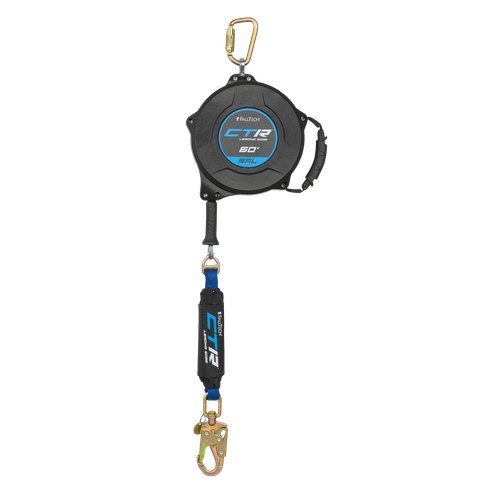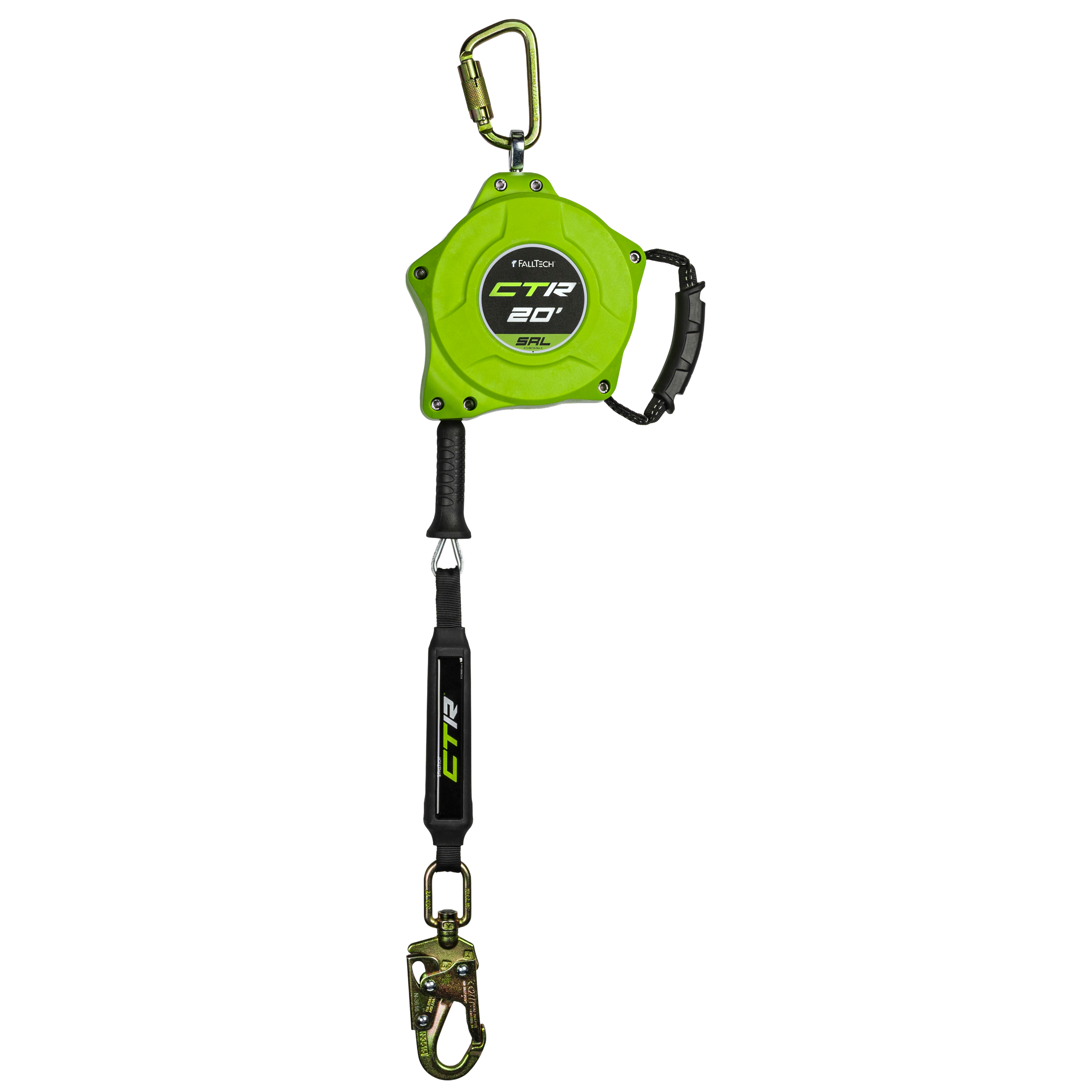
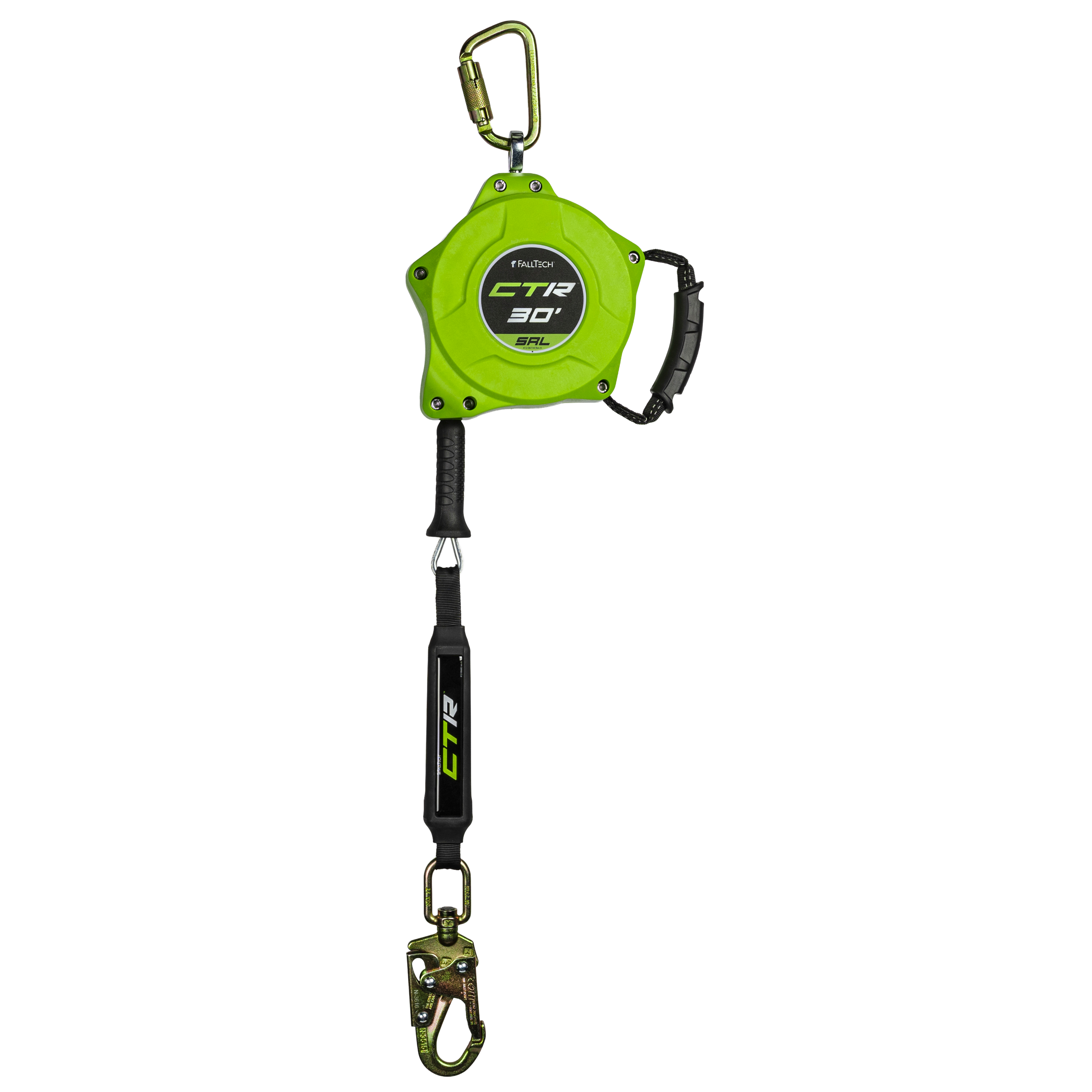
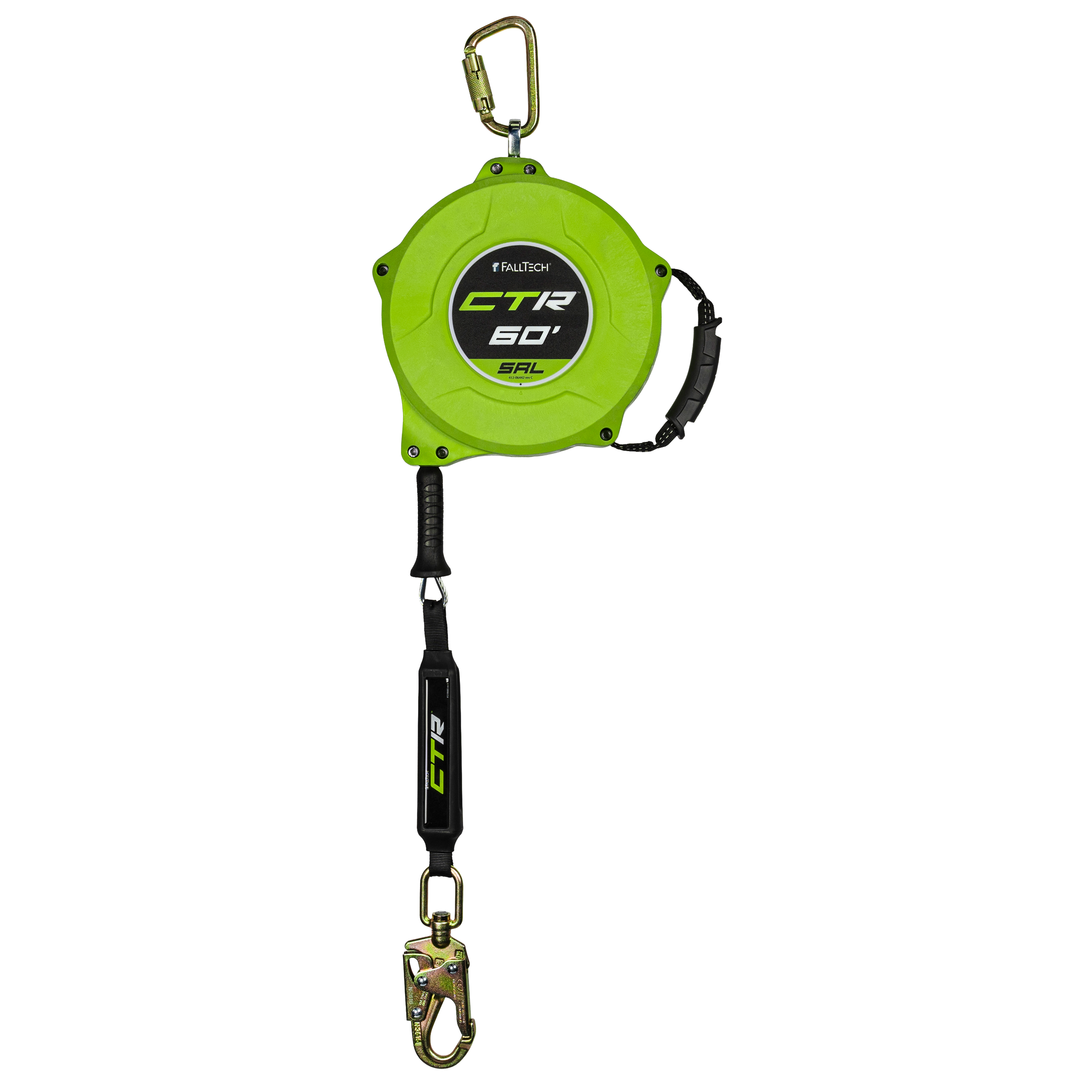


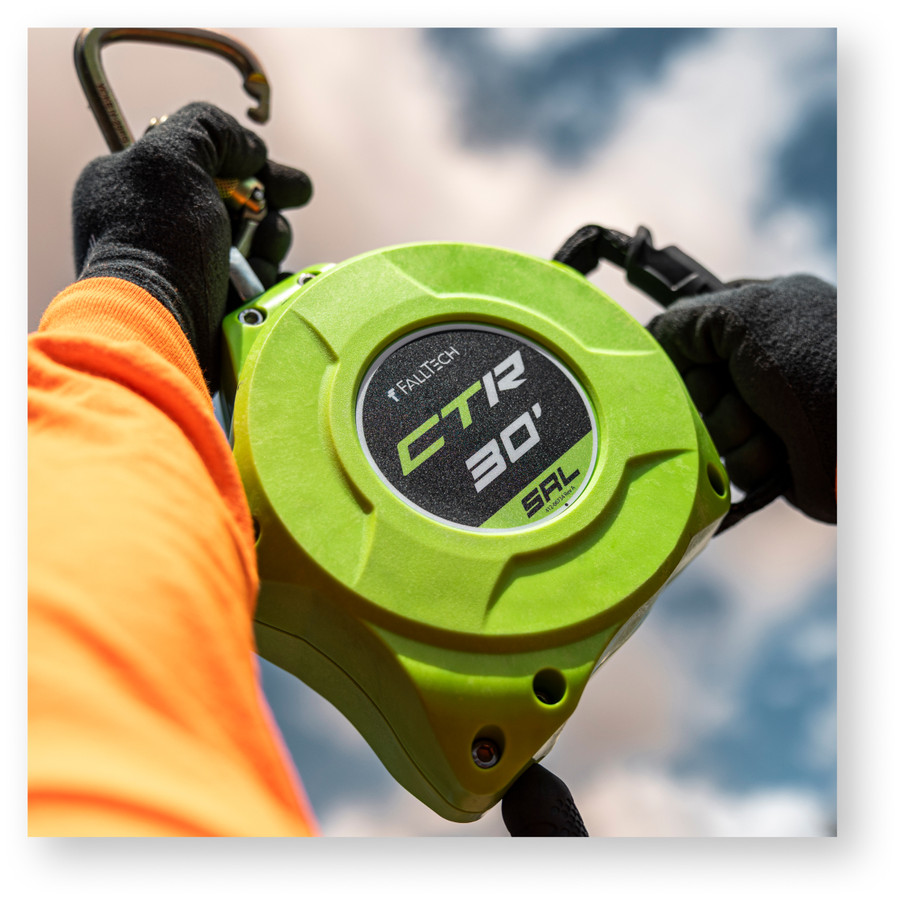








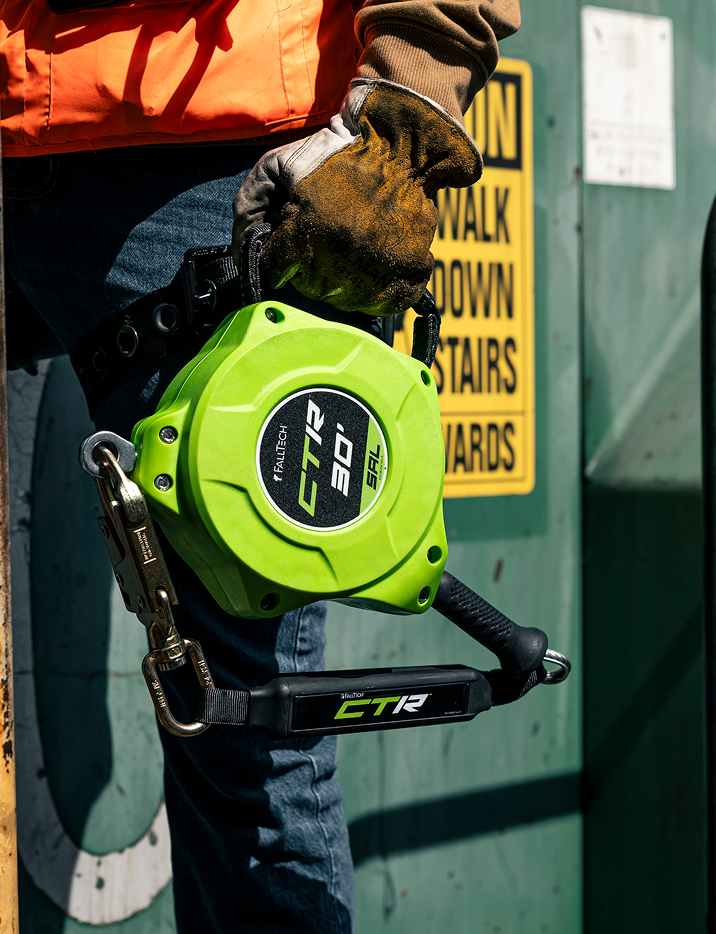
Designed to handle repeated transport, harsh conditions, and continuous use across industrial and construction environments.
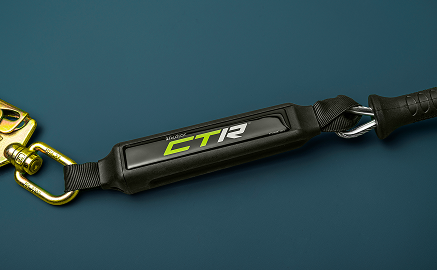
Armored external energy absorber protects internal components, minimizes bulk, and delivers lasting durability across demanding overhead applications.
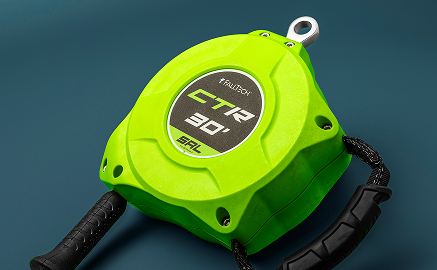
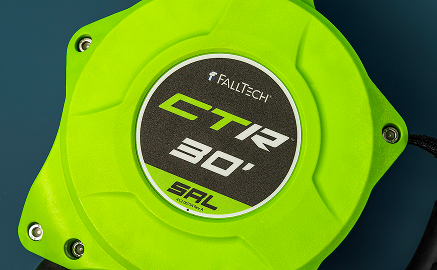
Compact housing is up to 27% lighter than comparable devices, helping reduce fatigue during climbing and repeated movement.
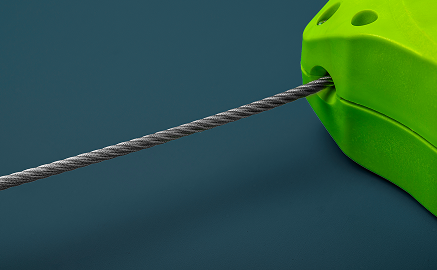
Supports smooth payout and retraction during climbing and movement to help reduce lockups that interrupt work at height.
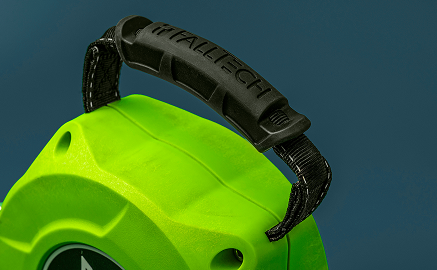
Steel-reinforced handle with rubber grip provides secure carrying and dependable handling throughout frequent jobsite transport.
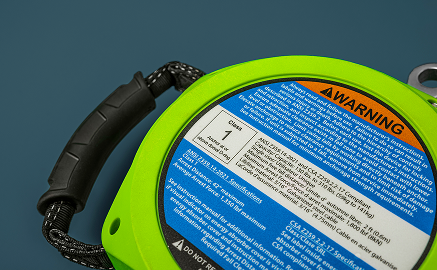
Designed for overhead tie-off applications where ANSI Class 1 protection supports mobility, usability, and reliable fall protection performance.

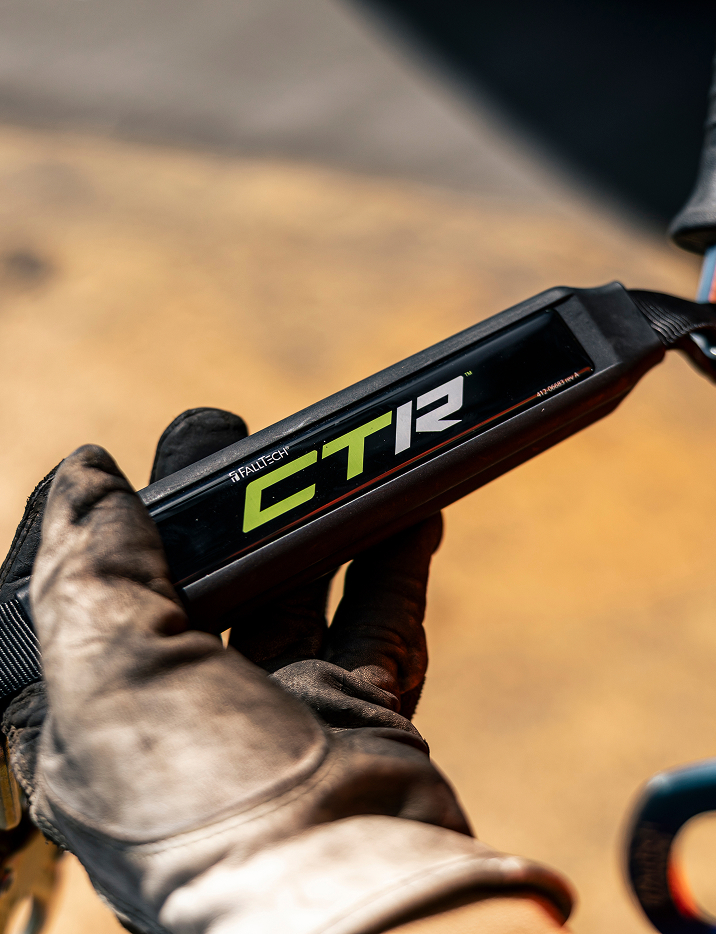
The Armored EA gives you smooth, steady fall arrest without the bulk of traditional Class 1 internal brakes or added fall clearance.
Class 1 and Class 2 SRLs are designed for different hazards. Class 1 is built for overhead tie-off with no leading-edge exposure, making it lighter, more compact, and easier to use for movement-heavy work like ladders and maintenance. Class 2 is designed for leading-edge applications, where the lifeline may contact sharp edges, and includes added durability. If edge exposure isn’t part of the job, Class 1 is the more efficient choice.
The right choice comes down to your work environment. If you’re tied off overhead and not working near edges, Class 1 is the right fit—lighter, more compact, and built for mobility. If there’s any chance the lifeline could contact a leading edge, you need a Class 2 device for added protection. For most ladder work, plant operations, and maintenance tasks, Class 1 delivers the protection required without unnecessary bulk.
An armored energy absorber is a rigid, external shock pack that manages fall forces while protecting itself from jobsite wear. Unlike traditional internal or soft-pack designs, it uses a hard outer shell to resist abrasion, shield internal components, and eliminate bulky hang-down elements. The result is a more durable, streamlined system that delivers consistent, reliable deceleration in the event of a fall. For more information, read the article “Internal Brake vs. Energy Absorber: Correcting Common Misconceptions with Class 1 SRLs.”
The CTR Class 1 SRL is offered in lengths from 20 to 60 feet, giving you flexibility to match the device to your work area. It uses a consistent cable platform and compact housing across models to simplify selection, with integrated connectors for quick, reliable tie-off.
No. An external energy absorber does not increase minimum required fall clearance. External “tearaway” energy absorbers help manage deceleration more smoothly during a fall while protecting critical internal components. The CTR’s total fall arrest performance is ANSI tested and engineered specifically for overhead Class 1 applications. The result is smoother deceleration, improved durability, and consistent overhead performance—not additional clearance requirements.